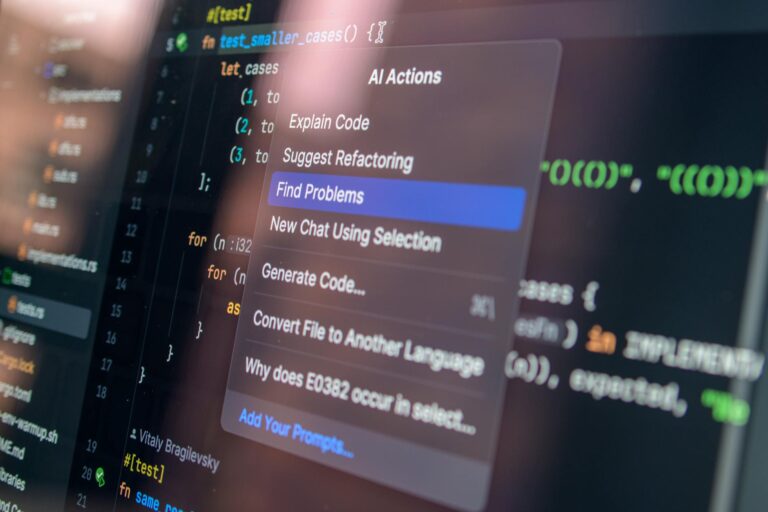
Did you know that artificial intelligence is now capable of writing code? 🤖 This remarkable development is transforming the landscape of programming and may forever change the way we think about software development. As AI continues to evolve, we are witnessing a shift in the programmer’s role, leading to exciting possibilities and challenges.
The Rise of AI in Coding
In recent years, tools powered by AI have emerged that can generate code snippets, debug existing code, and even optimize algorithms. These advancements are not just theoretical; they are being used in real-world applications, streamlining processes and increasing productivity. For instance, platforms like GitHub Copilot use machine learning to assist developers by suggesting code as they type, effectively acting as a pair of virtual hands. 🌐
Changing Skill Sets
With AI taking over some of the more mundane coding tasks, the skill set required for programmers is evolving. Instead of focusing solely on writing lines of code, programmers are now expected to have a deeper understanding of algorithms, data structures, and even machine learning principles. This shift emphasizes the importance of critical thinking and problem-solving skills as developers learn to work alongside AI rather than compete with it.
The Future of Employment in Tech
While some fear that the rise of AI could lead to job loss in the programming sector, many experts argue that it will create new opportunities. As routine tasks become automated, the demand for innovative, creative solutions will increase. This may lead to the emergence of new roles, such as AI trainers and ethicists, who will ensure that AI systems are functioning correctly and ethically. 💼
Ethical Considerations
As AI takes on a more significant role in programming, ethical considerations also come to the forefront. Questions arise about the accountability of decisions made by AI-generated code and the implications of biases in machine learning models. Developers need to be aware of these challenges and strive to create responsible AI systems that prioritize fairness and transparency.
Conclusion: Embracing Change
In summary, the programming profession is undoubtedly on the brink of a significant transformation. While AI is revolutionizing the way we approach coding, it also compels us to adapt and grow. As we embrace these changes, it’s crucial to focus on developing skills that complement AI technologies, ensuring that we remain relevant in this ever-evolving landscape. 🌟
What are your thoughts on the future of programming with AI? Share your insights in the comments below!
About the Author