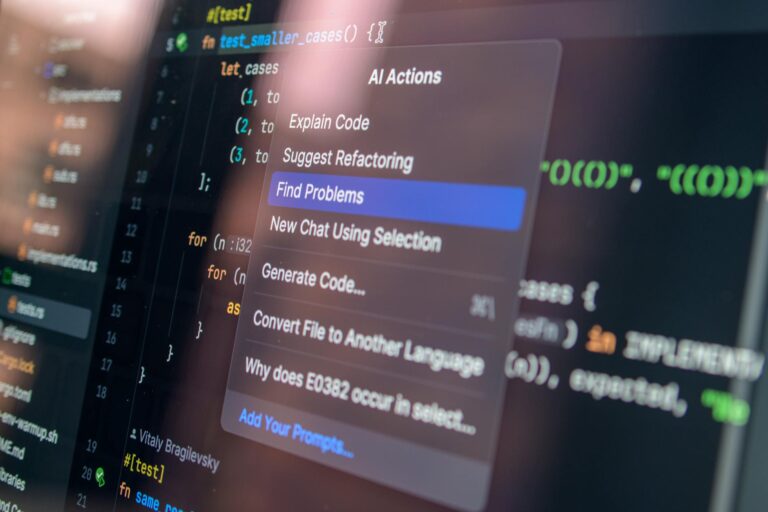
Can you believe how fast technology evolves? Just a year ago, we were still grappling with the implications of AI in our daily lives, and now it feels like we’ve stepped into a completely different world. The AI revolution has undeniably transformed the landscape of industries, education, and even our personal interactions. But what exactly has changed in just one short year? Let’s dive in!
AI in Everyday Life
It’s hard to imagine life without AI now, isn’t it? From smart assistants that anticipate our needs to AI-driven platforms that curate our news feeds, the integration of artificial intelligence into our routines has become seamless. In 2026, AI is not just a tool; it’s a partner in our daily lives. For instance, virtual assistants have become exceptionally adept at understanding context and emotions. They don’t just respond to commands; they engage in conversations, offering empathy and support. 🌐
Transformations in the Workforce
The job market is another area where AI has made significant strides. Automation is no longer just a buzzword; it’s a reality that has shifted the labor landscape. Many traditional jobs have evolved or disappeared, but new opportunities have emerged. Industries like healthcare and education are now heavily relying on AI for tasks ranging from diagnostics to personalized learning experiences. However, this shift has also sparked debates about job displacement and the need for upskilling. ⚙️
Ethical Considerations and Regulations
As we embrace these advancements, ethical considerations surrounding AI have taken center stage. Questions about data privacy, algorithmic bias, and accountability are more pressing than ever. Governments and organizations are scrambling to implement regulations that ensure AI is used responsibly. The discussions around AI ethics have grown louder, with advocacy groups demanding transparency and fairness in AI systems. 📜
AI and Global Events
Interestingly, the global political landscape has also been influenced by AI technology. Recent events, such as the ongoing situation in Ukraine and various high-profile incidents, show how AI can play a role in shaping public opinion and political discourse. The ability to analyze vast amounts of data has given rise to new strategies in campaigning and governance, changing the way we understand political dynamics. 🗳️
Looking Ahead
As we stand at the precipice of yet another year, it’s essential to consider the trajectory of AI. What does the future hold? Will we see further advancements that enhance human capabilities, or will we face challenges that require us to rethink our relationship with technology? One thing is for sure: the conversation around AI is far from over, and it’s crucial for us to engage actively in shaping a future that benefits everyone.
Are you ready to embrace the AI revolution? Join the conversation and let’s explore what the future holds together! 🚀
About the Author